
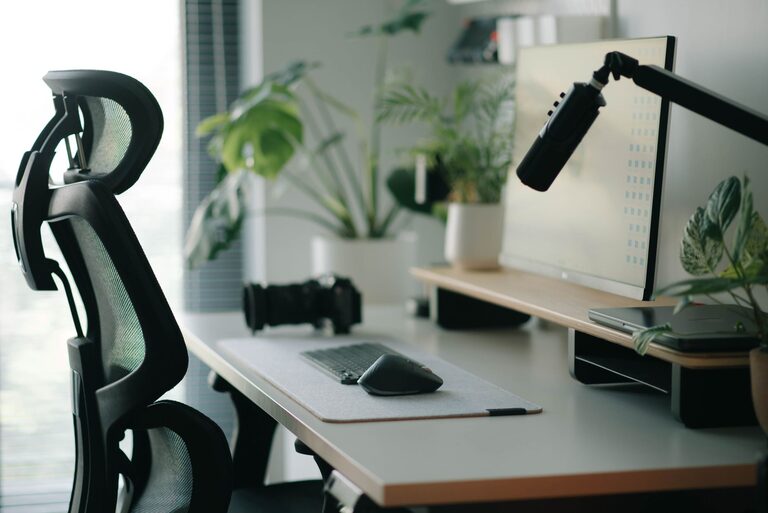
Desk Setup Tips for Focus and Comfort
Creating a desk setup that promotes both focus and comfort can make a significant difference in your daily productivity and overall well-being. Whether you work from home or in an office, having an organized, ergonomic, and well-designed workspace can reduce distractions, prevent discomfort, and keep you motivated. This guide will walk you through practical tips to optimize your desk setup for better focus and comfort.
Why a Good Desk Setup Matters
A thoughtfully arranged desk helps minimize physical strain, keeps your mind clear, and supports good work habits. Poor setups can cause back pain, eye strain, and mental fatigue, leading to less effective work and potential health issues. By investing time in creating a functional and inviting workspace, you set yourself up to work efficiently and feel better throughout the day.
Essential Elements for Focus and Comfort
1. Choose the Right Desk and Chair
– Desk Height: Your desk should allow your forearms to rest parallel to the floor when typing or writing. Standard desks are typically around 28 to 30 inches tall, but adjustable desks can offer more customization.
– Ergonomic Chair: Select a chair with good lumbar support, adjustable height, and comfortable padding. Make sure your feet rest flat on the floor or on a footrest.
– Chair Position: Sit with your back straight, shoulders relaxed, and elbows close to your sides.
2. Position Your Monitor Correctly
– Eye Level: The top of your monitor screen should be at or slightly below eye level to prevent neck strain.
– Distance: Place your screen about an arm’s length (20-30 inches) away.
– Multiple Screens: If using more than one monitor, position them close together and at equal height to reduce excessive head turning.
3. Optimize Lighting
– Natural Light: Try to position your desk near a window to benefit from natural light, which can improve mood and alertness.
– Avoid Glare: Place screens perpendicular to windows to reduce glare. Use blinds or curtains if needed.
– Task Lighting: Add a desk lamp with adjustable brightness for focused illumination, especially in the evening.
4. Organize and Declutter
– Keep Essentials Handy: Store frequently used items within arm’s reach to avoid repetitive stretching or standing.
– Limit Clutter: A clean desk helps reduce distractions and mental clutter. Use drawers, trays, or organizers to keep things tidy.
– Cable Management: Use clips, ties, or a cable box to organize cords and prevent tangling.
5. Incorporate Comfort Accessories
– Keyboard and Mouse: Use ergonomic models that support a natural wrist position. Keyboard trays can help achieve the right height.
– Wrist Rests: Consider adding cushioned wrist rests to reduce strain during long typing sessions.
– Footrests: A footrest can improve circulation and posture, especially if your feet don’t comfortably reach the floor.
– Sit-Stand Options: Standing desks or converters encourage movement and reduce sedentary time.
6. Personalize Your Space
– Plants: Adding greenery can reduce stress and increase productivity.
– Inspiring Items: Photos, artwork, or motivational quotes can make your workspace welcoming.
– Comfort Items: Soft cushions or a cozy blanket add warmth and comfort during long work hours.
Tips to Enhance Mental Focus
– Limit Distractions: Use noise-canceling headphones or white noise machines if background sounds are an issue.
– Set Boundaries: Clearly define your work zone to reduce interruptions if sharing space with others.
– Regular Breaks: Follow the Pomodoro technique or similar methods to take breaks and prevent burnout.
– Keep Hydrated and Nourished: Keep a water bottle and healthy snacks nearby to stay energized.
Maintaining Your Desk Setup
– Daily Reset: Spend a few minutes at the end of each day tidying your desk.
– Regular Adjustments: Reassess your setup periodically to ensure it still fits your needs.
– Cleanliness: Wipe down surfaces and equipment to maintain hygiene and a pleasant environment.
Conclusion
A well-planned desk setup is key to working comfortably and staying focused throughout the day. By choosing the right furniture, managing lighting, organizing your space, and personalizing your environment, you can create a workspace that supports your productivity and well-being. Start making gradual improvements today, and enjoy the benefits of a productive and comfortable desk setup.
