
Simple Ways to Reduce Noise at Home for a Quieter Living Space
Creating a calm and quiet home environment is essential for relaxation, productivity, and overall well-being. Whether you live in a busy neighborhood, an apartment building, or a bustling household, noise can often disrupt your peace. The good news is that reducing noise at home doesn’t have to be complicated or expensive. With a few simple strategies, you can effectively minimize unwanted sounds and enjoy a more tranquil living space.
In this post, we’ll explore practical, easy-to-implement ways to reduce noise at home, from small changes to more involved adjustments. Let’s get started!
Understanding Noise Sources in Your Home
Before tackling noise, it’s helpful to identify where it comes from. Common noise sources include:
– Street traffic and outdoor sounds
– Noisy neighbors or shared walls
– Household appliances and electronics
– Footsteps, voices, and everyday activities inside your home
Knowing the source will guide you in choosing the best noise-reducing methods.
Simple Noise-Reducing Tips for Every Home
1. Use Soft Furnishings to Absorb Sound
Hard surfaces reflect sound waves, making noise louder and more noticeable. Adding soft materials can help absorb these sounds and reduce echo.
– Rugs and Carpets: Lay down rugs or wall-to-wall carpeting, especially on hard floors like tile or hardwood.
– Curtains: Heavy, thick curtains over windows and even doorways can block outdoor noise.
– Cushions and Upholstery: Sofas, chairs, and cushions can help dampen noise inside the room.
2. Seal Gaps and Cracks
Sound can travel through small openings around doors, windows, and walls.
– Weatherstripping: Apply weatherstripping strips to doors and windows to close gaps.
– Door Sweeps: Attach door sweeps at the bottom of doors to block noise from hallways or outside.
– Caulking: Seal cracks around window frames or where walls meet ceilings.
3. Rearrange Furniture Strategically
Furniture placement can influence how sound travels.
– Place large bookshelves or wardrobes against walls shared with noisy neighbors or busy streets. They act as extra barriers.
– Upholstered furniture near doors and windows also helps muffle noise.
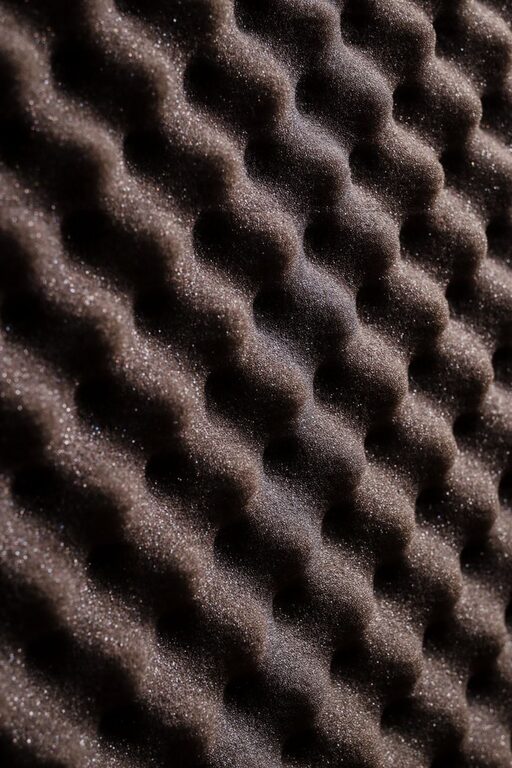
4. Add Sound-Absorbing Panels
For a more targeted approach, consider installing sound-absorbing panels on walls or ceilings.
– These panels reduce echo and block noise transmission.
– You can find decorative acoustic panels that blend with your interior style.
– DIY options like cork boards or fabric-covered panels can be effective and budget-friendly.
Managing Noise from Appliances and Electronics
Household appliances can contribute to background noise.
– Choose quieter models if possible when replacing or buying new appliances.
– Regular maintenance, like cleaning vents and checking for loose parts, can reduce appliance noise.
– Use rubber pads beneath washing machines or refrigerators to minimize vibration sounds.
Tips for Reducing Noise Between Rooms
1. Use Heavy Doors or Door Curtains
Replacing hollow-core doors with solid-core ones can significantly reduce noise transfer. If this isn’t an option:
– Hang thick curtains or fabric door covers.
– Use draft stoppers at the door base.
2. Install Door Seals
Door seals can block noise gaps around door frames, enhancing privacy and quietness.
3. Create “Quiet Zones”
If certain rooms need to be quieter (like bedrooms or study areas), designate them as quiet zones:
– Avoid placing TVs, speakers, or noisy appliances nearby.
– Use white noise machines or fans to mask intermittent sounds.
Outdoor Noise Reduction
1. Use Landscaping
Plants, shrubs, and trees can act as natural sound barriers.
– Dense foliage absorbs and deflects sound from the street or neighbors.
– Consider installing a fence with sound-absorbing materials to block noise.
2. Maintain Windows and Screens
Double-glazed or storm windows are much better at sound insulation than single-pane windows.
– If replacing windows is not an option, use window inserts or heavy curtains.
– Window screens can reduce wind noise and small noises from outside.
When to Consider Professional Soundproofing
If noise remains a significant issue despite these efforts, professional solutions may be necessary.
– Installing soundproof drywall or additional insulation in walls
– Upgrading to acoustic windows and doors
– Using specialized soundproof flooring materials
These solutions are more costly but can provide a dramatic reduction in noise.
Final Thoughts
Reducing noise at home doesn’t require starting from scratch or investing heavily. By combining soft furnishings, sealing gaps, rearranging furniture, and managing appliances, you can create a quieter, more peaceful home environment. Start with easy changes and see how much difference they make!
Quiet spaces contribute greatly to comfort and well-being—so take the time to make your home a haven from noise.
Let us know your favorite noise-reducing tips or challenges in the comments below!
