
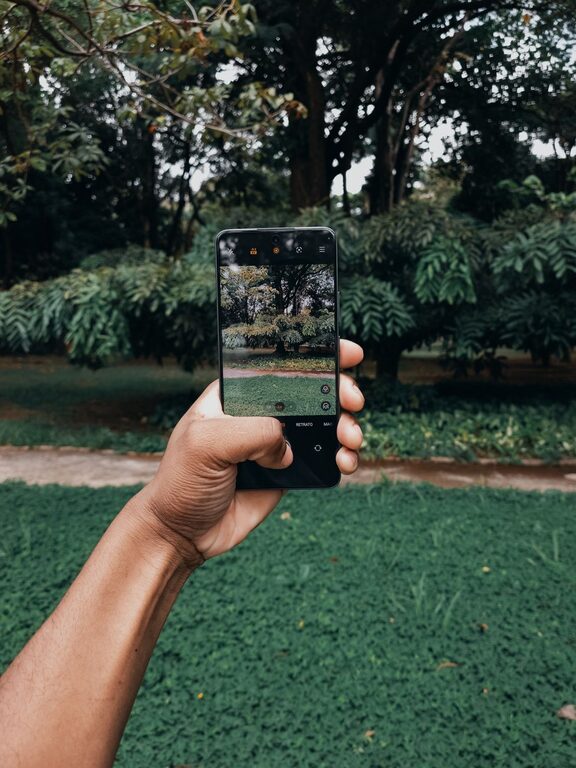
Beginner Tips for Taking Better Phone Photos
Taking great photos with your phone doesn’t have to be complicated. Whether you’re capturing a beautiful sunset, a family gathering, or a quick snapshot of your day, a few simple techniques can dramatically improve your shots. This guide will walk you through beginner tips to help you take better phone photos, making the most of your device’s capabilities and boosting your confidence behind the lens.
Understand Your Phone's Camera Features
Before snapping photos, spend some time exploring your phone’s camera app. Different smartphones have various modes and settings that can enhance your pictures.
Learn the Basics
– Focus and Exposure: Tap on the screen where you want the camera to focus. Most phones also allow you to adjust the exposure (brightness) by sliding your finger up or down after focusing.
– Gridlines: Turn on gridlines in your camera settings. These will divide your frame into thirds both horizontally and vertically, helping you apply the “Rule of Thirds” for balanced composition.
– HDR Mode: High Dynamic Range (HDR) mode helps capture better details in both bright and dark areas of your photo. Use HDR when shooting scenes with contrasting light conditions.
Compose Your Shot Thoughtfully
A good photo often comes down to composition — how the elements are arranged in your frame.
Use the Rule of Thirds
Imagine your photo divided into nine equal parts by two horizontal and two vertical lines. Placing the main subject at the intersections or along these lines makes the image more engaging and balanced.
Mind the Background
Check the background before you snap the photo. Avoid clutter or distracting elements that might pull attention away from your subject.
Look for Leading Lines and Patterns
Leading lines, such as roads, fences, or paths, naturally draw the viewer’s eye into the photo and towards the subject. Patterns and textures add interest and can create visually appealing pictures.
Focus on Lighting
Lighting is one of the most important factors in photography. Good lighting can make your photos look professional, while poor lighting can ruin an otherwise great shot.
Shoot in Natural Light
Whenever possible, use natural light from the sun. Early mornings and late afternoons, known as the golden hours, offer soft, warm light that enhances your photos.
Avoid Harsh Midday Sun
Bright midday sunlight can create harsh shadows and overexposed areas. If you must shoot during this time, try to find shade or use the sun as a backlight to create a silhouette effect.
Use Artificial Light Wisely
Indoors, position your subject near windows or lamps. Avoid using your phone’s flash as it can cause unnatural colors and shadows.
Steady Your Shot
Shaky hands can cause blurry photos, especially in low light.
Hold Your Phone Properly
Use both hands to hold your phone steady. Keep your elbows close to your body to reduce movement.
Use a Tripod or Stable Surface
If you want even sharper images, consider using a small tripod or rest your phone on a stable surface when taking photos.
Use Timer or Voice Control
To avoid movement when pressing the shutter button, use the self-timer or voice control feature.
Experiment with Angles and Perspectives
Try shooting from different angles to add creativity to your photos.
– Eye Level: This is the most common angle and works well for portraits.
– High Angle: Shooting from above can give a fresh perspective, especially for group shots or flat lays.
– Low Angle: Shooting from below makes your subject look larger and more powerful.
Don’t be afraid to move around and explore your environment.
Edit Your Photos
After taking your pictures, a little editing can enhance the final result.
Use Built-in Editing Tools
Most phones offer basic editing tools like cropping, adjusting brightness, contrast, and saturation. These tools are simple and can improve your photos quickly.
Explore Free Photo Editing Apps
Apps like Snapseed or Lightroom Mobile offer more advanced features but remain accessible to beginners. Avoid over-editing; keep your photos natural and true to the moment.
Practice Regularly
The best way to improve your phone photography is by practicing often. Challenge yourself to take photos every day, try new techniques, and review your shots critically.
Join Photography Challenges
Many online communities host monthly or weekly photo challenges. Participating can motivate you to experiment and learn from others.
Review and Learn from Your Photos
Look back at your photos and identify what worked well and what could improve. Over time, you’ll notice your eye for good photographs sharpening.
—
Taking better phone photos comes down to understanding your device, paying attention to composition and lighting, and practicing regularly. With these beginner tips, you’ll be well on your way to capturing stunning images that you’ll be proud to share. Have fun experimenting and happy shooting!
